Loading...
Serving Victoria, TX and surrounding areas. (361) 363-1204
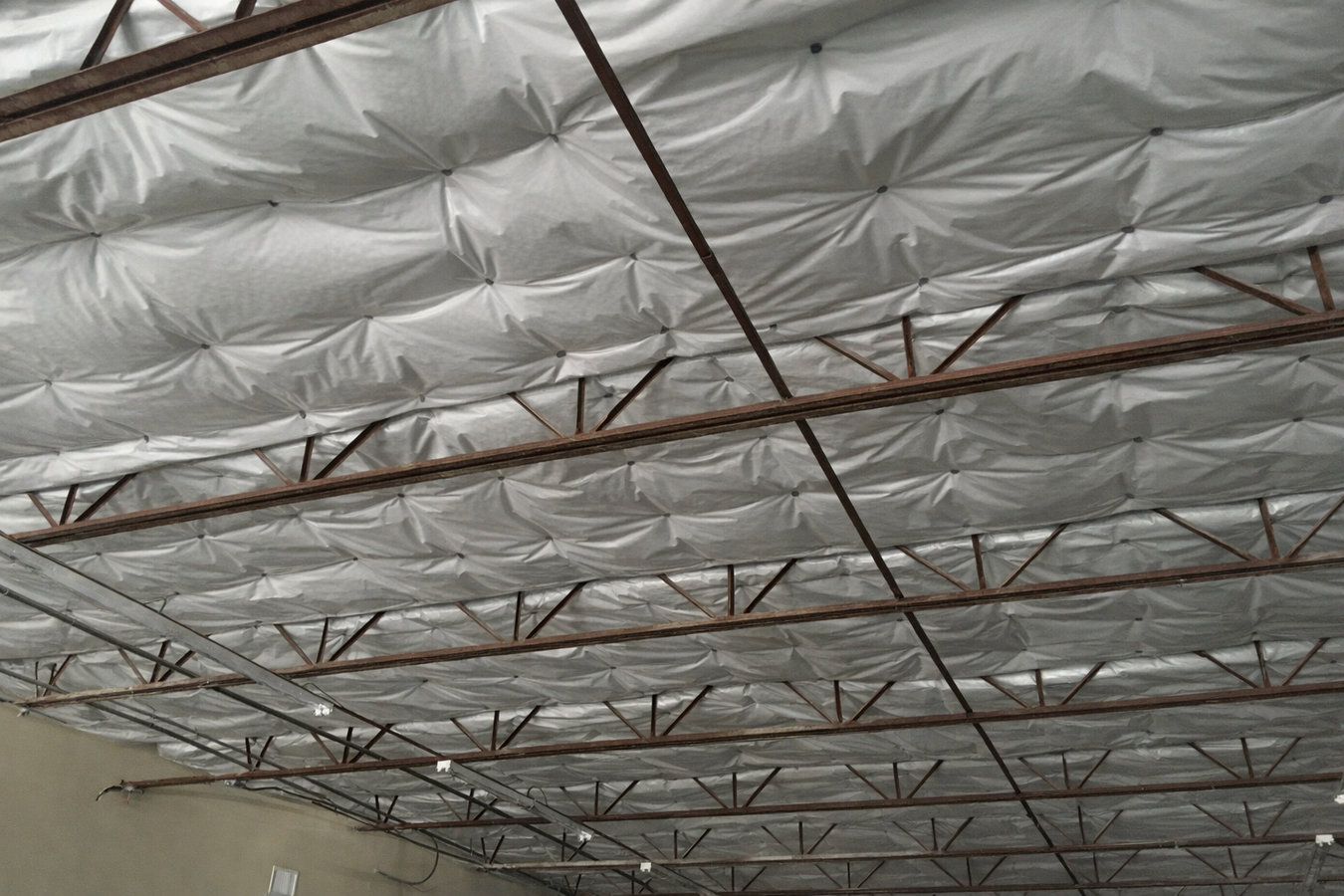
Victoria's summer heat and Gulf humidity push commercial energy costs up fast. Proper insulation keeps your building cooler, your bills lower, and your team comfortable all year.
Commercial insulation in Victoria, TX installs thermal and moisture barriers in the roof deck, exterior walls, and floor areas of offices, warehouses, retail spaces, and metal buildings to reduce heat gain and lower cooling costs - most projects in small to medium commercial spaces are completed in one to three days with minimal disruption to operations. In Victoria's Climate Zone 2 environment, the roof and ceiling area delivers the highest return on investment because South Texas heat pours in from above for eight to nine months of the year.
Business owners and property managers in Victoria most often schedule insulation work after noticing that energy bills keep climbing without explanation, that certain rooms never cool down, or that a musty smell or moisture stain has appeared in the ceiling. These are signs that the building envelope is not performing - and in Victoria's Gulf Coast climate, the problem rarely resolves on its own. Commercial insulation is often paired with spray foam insulation for roof decks and metal wall panels, where sealing air gaps and adding thermal resistance need to happen at the same time.
The ENERGY STAR Commercial Buildings program and the International Energy Conservation Code both set standards for commercial insulation in Climate Zone 2. A qualified local contractor will know what is required for your building type and ensure the work meets or exceeds those minimums.
If your electric bill has been creeping up year over year but your business hours and equipment have not changed, your building envelope is likely letting heat in faster than your HVAC can push it out. In Victoria's long cooling season, even a modest insulation gap in the roof can add hundreds of dollars a month to your utility costs. This is one of the clearest signs that an insulation assessment is worth scheduling.
If one part of your building is always warmer than the rest - especially spaces directly under the roof or on the west-facing side - insulation is thin or missing in that zone. In Victoria's afternoon heat, west-facing walls and low-slope metal roofs absorb enormous amounts of solar energy. When insulation is not there to slow that heat down, it radiates straight into your occupied space.
Victoria's Gulf Coast humidity means moisture is always looking for a way into your building. Musty odors, water stains, or soft spots in ceiling tiles can indicate that humid air has been getting in through gaps in the building envelope - often in areas where insulation is absent or has settled over time. This is a potential mold and air quality problem that gets worse the longer it is left alone.
If your building was affected by Hurricane Harvey or any other major storm event, there is a real chance that insulation in the walls or ceiling absorbed water and never fully dried out. Wet insulation loses most of its effectiveness and can become a source of mold growth inside your walls. If you have not had the insulation inspected since a storm event, that is worth doing before investing in any other building improvements.
We work on the full range of commercial building types found in the Victoria area - from older masonry retail spaces and single-story offices to the metal buildings common in the city's industrial and agricultural sectors. For metal buildings, spray foam applied directly to the interior of the roof panels and walls is the most effective approach: it eliminates the condensation problem that comes with metal-on-metal contact and adds meaningful thermal resistance at the same time. This is closely related to our closed-cell foam insulation service, which uses the same high-density material suited to humid and storm-exposed environments.
For office buildings and retail spaces with drop ceilings, blown-in fiberglass or rigid foam board above the ceiling deck is a common and cost-effective option. We also handle insulation removal and replacement for buildings where existing material was damaged by Harvey or another storm event - a step that should happen before new insulation is added, not after. For buildings that need broad-scope upgrades, spray foam insulation provides the most complete combination of air sealing and thermal control in a single application.
For warehouses, agricultural buildings, and industrial spaces in Victoria - addresses condensation and heat gain in one step.
Blown-in or rigid board above drop ceilings in commercial spaces - work happens above the tiles, not in occupied areas.
For buildings that absorbed moisture during Harvey or subsequent events - inspection, removal, and replacement of compromised material.
Insulation packages for new builds meeting the International Energy Conservation Code requirements for Victoria's Climate Zone 2.
Victoria sits in the South Texas coastal plain, where summer temperatures regularly exceed 95 degrees Fahrenheit and the air conditioning season stretches from April through October. That is a long time for your cooling system to fight against heat pushing through an under-insulated roof or wall. Buildings with inadequate insulation in Victoria do not just feel uncomfortable - they rack up utility bills that are noticeably higher than they need to be, month after month. The combination of extreme heat and Gulf humidity also creates a moisture problem that most commercial building owners do not see coming: when warm, humid outdoor air meets the cooler surfaces inside your wall or ceiling, it condenses. Without proper insulation and air sealing working together, that condensation leads to mold. Business owners in Beeville and the surrounding South Texas area face the same conditions, and the same insulation solutions apply.
A significant portion of Victoria's commercial building stock was constructed before modern energy codes took effect, meaning many have little or no insulation in the roof deck or walls. Older metal buildings - common in Victoria's industrial and agricultural sectors - are especially prone to heat gain and condensation problems because metal conducts heat readily and does nothing to manage moisture on its own. Upgrading insulation in these buildings can make a dramatic difference in operating costs, comfort, and the long-term condition of the structure. For property managers in Edna and the broader Jackson County area, commercial building needs are similar - and a Victoria-based contractor can cover the full region.
We ask about the size of your building, how old it is, what problems you are noticing, and whether you have had any recent storm damage or moisture issues. This helps us come prepared with the right equipment and a realistic sense of what the job involves. We respond to every inquiry within 1 business day.
We visit your building to look at existing insulation, check for air gaps, and assess the roof, walls, and any crawl spaces or mechanical areas. In Victoria's climate, we pay particular attention to the roof deck and west-facing walls. This visit also identifies any moisture or mold issues that need to be addressed before new insulation goes in.
You receive a written estimate breaking down what work will be done, what materials will be used, and the total cost. If a permit is required through the City of Victoria, we handle pulling it and coordinating city inspections. Nothing starts until you understand exactly what is included and what the timeline looks like.
Most work happens in spaces your employees and customers do not occupy - above drop ceilings, inside wall cavities, or in attic areas. We set up protective coverings to keep dust out of your occupied space. When the work is complete, we walk you through the finished installation before any ceiling tiles or wall panels go back up.
Free on-site estimate. No obligation. We respond within 1 business day.
(361) 363-1204Victoria's commercial building stock includes older masonry construction from the 1950s and 1960s, metal buildings common in the industrial and agricultural sectors, and newer tilt-wall construction. We have worked in all three and know how the insulation and moisture needs differ across each type.
Commercial insulation work in Victoria typically requires a city building permit. We handle the permit application through the City of Victoria Development Services department and coordinate the required city inspection - so you do not have to navigate that process yourself or risk having unpermitted work on your property records.
Victoria County was directly affected by Hurricane Harvey in 2017. We have assessed and replaced insulation in commercial buildings across the area that took on water during that storm. If your building went through Harvey and has not had an insulation inspection since, that conversation should happen before any new material goes in.
The North American Insulation Manufacturers Association sets industry standards for commercial insulation installation quality - no gaps, no compression, no shortcuts. We follow these guidelines on every job, which means the finished work performs the way it should rather than just looking complete from a distance.
Commercial insulation is not a commodity job - the building type, climate zone, and permit requirements all shape what the right answer looks like for your specific property. We bring local knowledge and accountability to every project, and we stand behind the work after the crew leaves.
Spray foam for commercial roofs and metal buildings - seals air gaps and insulates in a single application.
Learn moreHigh-density closed-cell foam for commercial applications where moisture resistance and structural support are priorities.
Learn moreVictoria summers don't wait - lock in your project date now before the heat season arrives and contractor schedules fill up.