
Loading...
Serving Victoria, TX and surrounding areas. (361) 363-1204
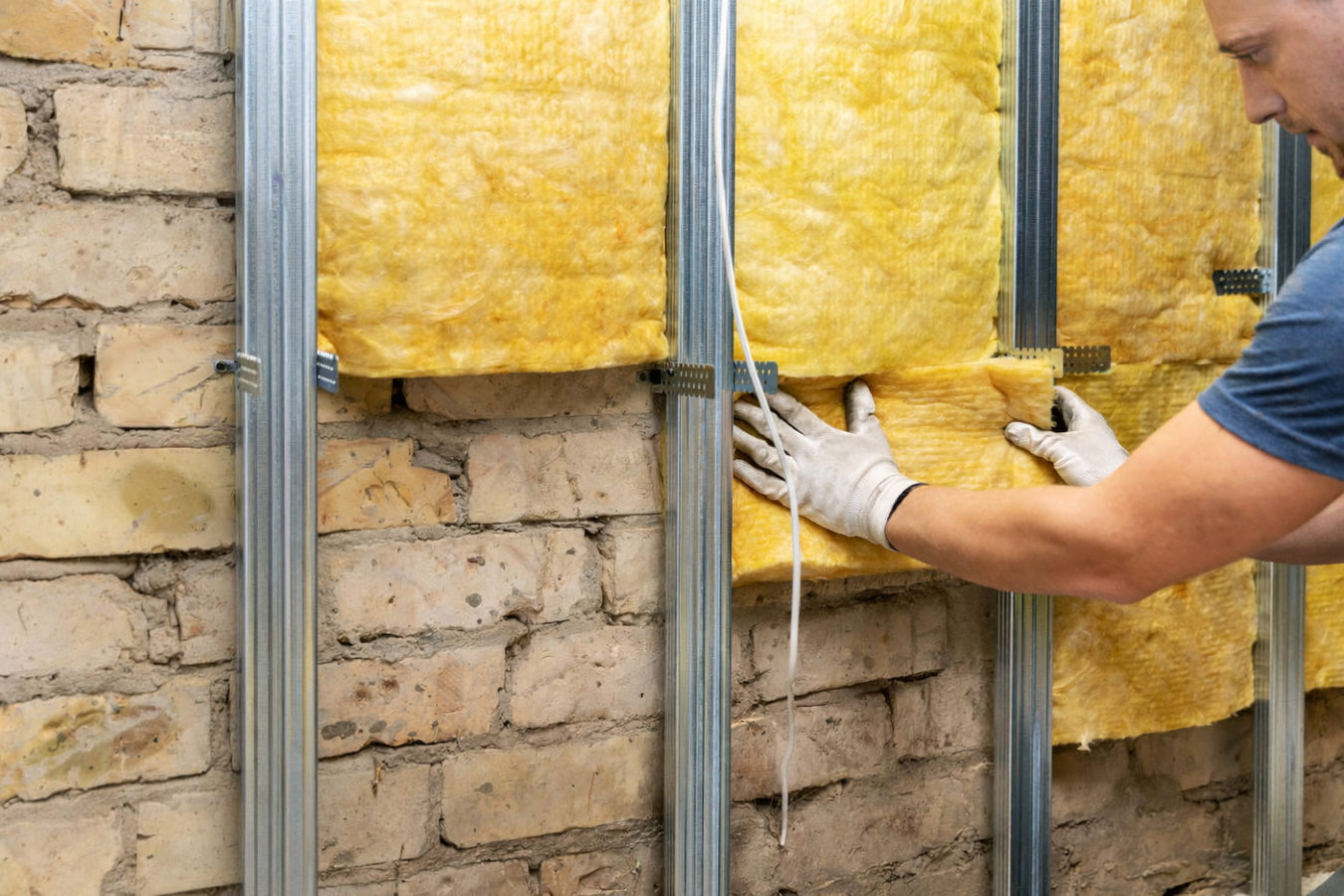
An uninsulated basement is a heat source sitting directly under your living space. We install basement insulation that cuts cooling costs and fixes temperature problems caused by South Texas summers.
Basement insulation in Victoria, TX creates a thermal barrier between your below-grade space and the rooms above it - most projects are completed in one to two days and do not require you to leave your home. In a climate where air conditioning runs for six or more months a year, an uninsulated basement transfers heat into your living space constantly, forcing your AC to compensate every single day. Insulating the basement walls and ceiling cuts off that heat path at the source.
Victoria homeowners often discover that floors above an uninsulated basement feel noticeably warm in summer and that certain rooms are harder to cool than the rest of the house. Those are the symptoms of a basement that is not doing its job as part of your home's thermal envelope. Basement insulation addresses the root cause rather than asking your HVAC system to keep making up the difference. Many homeowners pair this work with vapor barrier installation to manage the moisture risk that comes with South Texas humidity before any insulation material goes in.
We serve homeowners throughout Victoria and the surrounding region. Our team checks the basement for moisture issues first, recommends the right material for your specific layout, and installs to the depth and coverage that will actually perform in this climate.
If cooling costs climb sharply from May through September without any change in your habits, heat may be entering through under-insulated or uninsulated basement walls and the floor above. Victoria's long, intense summers mean this problem compounds month after month. An uninsulated basement is essentially a heat collector sitting directly under your living space.
Walk barefoot across the floor in a room that sits above your basement on a hot July afternoon. If it feels warm or the room is harder to cool than others, heat is moving up through an uninsulated basement ceiling. This is one of the most common and easiest-to-notice signs that basement insulation is either missing or has degraded over time.
Visible gaps around pipes or where the wall meets the floor are air leaks - and air leaks in Victoria's humid climate bring in both heat and moisture. A musty smell is often the first sign that moisture has been accumulating, which can mean existing insulation is wet and no longer effective. Both are signals worth acting on before the problem gets worse.
Homes in Victoria's older neighborhoods built before modern energy codes were adopted often have little or no basement insulation. If you have lived in your home for years and cannot recall any insulation work being done, there is a good chance the basement is significantly under-insulated. A quick visual check or a contractor estimate can confirm it in under an hour.
Basement insulation can go on the interior walls - the walls you see when you walk in - or along the ceiling of the basement, which is the floor of the room above. Wall insulation works best for finished or conditioned basements where you want to make the space comfortable. Ceiling insulation is the common choice when the basement is unfinished and used mainly for storage, because it creates a thermal barrier between the unheated space and your living area without conditioning the basement itself. We assess your layout and use pattern first, then recommend the approach that fits your home.
For homes with moisture concerns - which is most homes in South Texas - we also offer closed-cell foam insulation for basement walls, because it seals air and resists moisture vapor at the same time. That combination is especially valuable in a climate where humidity is a year-round presence. For basement floors and below-grade assemblies, we discuss vapor barrier installation as part of the same project to address moisture before it becomes a problem behind the walls.
Best for finished or conditioned basements - makes the space comfortable and reduces heat transfer to living areas above.
Ideal for unfinished storage basements - creates a thermal barrier between the unheated space and the living area without conditioning the basement.
Recommended for homes with moisture concerns - seals air and resists humidity in a single application.
Checks for water intrusion, cracks, and dampness before any insulation material goes in - the step that prevents expensive problems later.
Victoria sits in the Coastal Bend region of South Texas, where summer temperatures regularly exceed 95 degrees and heat indexes push well past 105. That sustained heat means your air conditioner fights to keep your home cool for six or more months every year. Homes built in Victoria's established neighborhoods during the 1950s through the 1980s were often constructed with little or no basement insulation by today's standards - and those homes are now 40 to 70 years old. At the same time, Victoria's clay soils expand and shrink with every rain cycle, which causes foundation walls to develop small cracks over time. A contractor who inspects those cracks and seals them before insulation goes in is doing the job right - and protecting your investment.
Victoria also averages around 40 inches of rain per year, and the region has a history with tropical weather events, including the significant flooding from Hurricane Harvey in 2017. Moisture management is not optional here - it is the first step of any responsible basement insulation project. We work on homes across the region, including customers in Port Lavaca and Bay City who face the same combination of Gulf humidity and aging housing stock. The U.S. Department of Energy provides guidance on basement insulation for hot-humid climates that aligns with what we see on the ground in South Texas every day.
We ask about your basement's size, whether it is finished or unfinished, and whether you have noticed any moisture issues. We respond within 1 business day and can usually schedule an estimate visit within the same week. No commitment is needed to get a quote.
We walk through your basement, check the walls and ceiling for existing insulation, look for signs of moisture or foundation cracks, and take measurements. You receive a written quote that explains the recommended approach and why - not just a total number.
Clear the basement of stored items before the crew arrives so they have full access to every surface. Installation typically takes one to two days. If spray foam is being used, the basement will need ventilation during and after - your contractor will walk you through any precautions in advance.
When the work is done, we walk you through the finished basement and show you what was installed and where. The space is left clean - no scraps or debris. This is also the time to ask about what to watch for going forward and whether your project qualifies for any utility rebates through AEP Texas.
We check for moisture issues first, recommend the right material for your basement, and give you a written quote at no cost. No pressure, no sales pitch.
(361) 363-1204We check for water intrusion, foundation cracks, and dampness before recommending any material. Insulating over a moisture problem does not solve it - it hides it and makes it worse. We address what we find or refer you to the right specialist before a single board foot of material goes in.
We document every basement job with photos and a written record of the material used, the coverage area, and the moisture prep we completed. You get that paperwork before we leave, so you are not just taking our word for how the job was done.
All 12 service areas we cover are within the same South Texas climate zone, so we understand the specific combination of heat, humidity, clay soils, and aging housing stock that makes basement insulation more complex here than in drier parts of the country. That local knowledge shapes every recommendation we make.
You receive a written estimate that specifies the material, the coverage area, and the performance level you are getting - not just a total price. Wide price differences between quotes usually reflect different material choices, not just contractor markup. We explain the trade-offs so you can make an informed decision.
Every one of these points comes back to the same thing: doing the job in the right order, with the right material, and leaving you with documentation of what was done. That is what separates a basement that actually performs from one that just looks finished.
The highest-performing option for humid basement walls - seals air and resists moisture in one application.
Learn morePairs with basement insulation to stop moisture from migrating through concrete and soil before it reaches your walls.
Learn moreVictoria summers are long - the sooner your basement is properly insulated, the sooner you start saving on cooling costs. Contact us today for a free, no-pressure estimate.