Loading...
Serving Victoria, TX and surrounding areas. (361) 363-1204
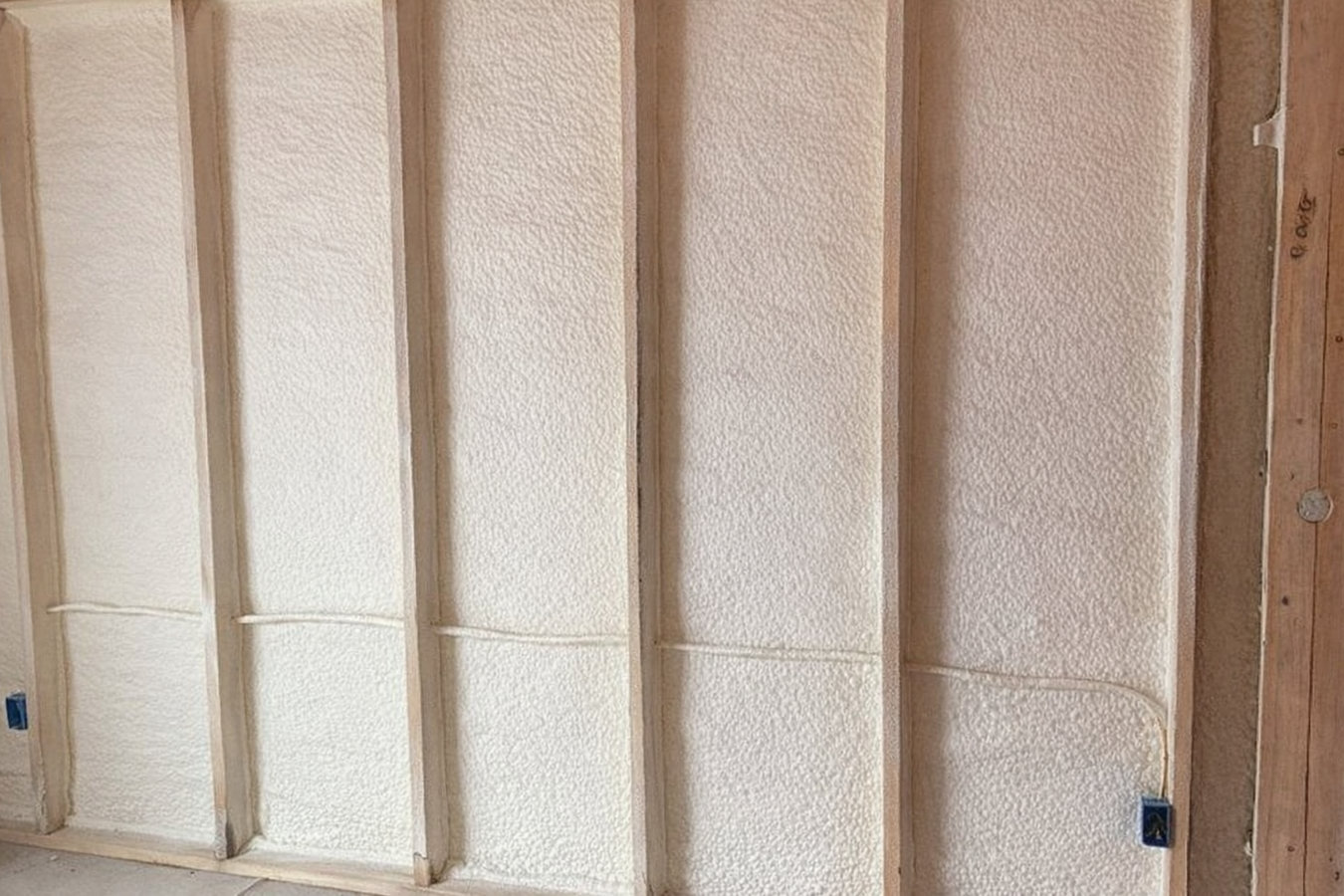
Closed-cell foam insulates and seals air in a single application - giving Gulf Coast homes the highest R-value per inch available while blocking the moisture that damages older insulation materials.
Closed-cell foam insulation in Victoria, TX expands on contact and cures into a dense, rigid layer that insulates and seals air leaks at the same time - most residential attic or crawl space jobs are completed in a single day. It delivers roughly twice the R-value per inch compared to fiberglass batts, which matters when you have a limited wall cavity or attic space and need maximum performance in South Texas heat. Once cured, it stays in place for the life of the building - it does not sag, shift, or compress over time.
What sets closed-cell foam apart in a Gulf Coast climate is what it does to moisture. Most insulation slows heat transfer - it does not stop moisture vapor from moving through it. Closed-cell foam resists moisture vapor, which is why it is the preferred choice for homes near the Gulf where humidity is a year-round presence. In older Victoria homes where fiberglass batts have been quietly absorbing moisture for decades, replacing them with closed-cell foam addresses both the insulation gap and the moisture risk in a single project. Many homeowners also pair this with a review of their open-cell foam insulation options to understand where each type performs best in their specific home.
We install closed-cell foam in attics, crawl spaces, basement walls, and exterior wall cavities throughout Victoria and the surrounding region. Our team assesses what is currently in place, identifies any moisture or structural issues, and recommends the right thickness for your home and climate zone.
If your electric bill has been creeping up year after year - especially during Victoria's long cooling season - your insulation may be the culprit. Air conditioning accounts for the largest share of energy use in South Texas homes, and a poorly sealed attic or wall cavity forces your system to run longer and harder than it should. If bills feel out of proportion to your home's size, the attic is the first place to look.
If one part of your house is always warmer than the rest - especially rooms on the top floor or rooms with exterior walls - heat is getting in faster than your AC can push it out. In Victoria's summers, an under-insulated attic can reach temperatures above 140 degrees, and that heat radiates down into living spaces below. Rooms that feel stuffy even with the AC running are telling you something about what is happening above the ceiling.
Victoria's humidity means moisture is always looking for a way in. If you go into your attic and notice a musty smell, dark staining on the wood, or visible moisture on surfaces, your current insulation is not keeping humid outdoor air separated from the cooler surfaces inside your home. Left alone, that moisture leads to mold and wood damage that becomes expensive to fix.
Homes built in Victoria before the mid-1990s were insulated to standards that fall well below what today's energy costs justify. Older blown insulation compresses over time and loses effectiveness, especially in attics. If you have lived in your home for decades and never had the insulation assessed, there is a strong chance it has settled, degraded, or was never sufficient for South Texas conditions.
We install closed-cell spray foam in attics, crawl spaces, basement walls, and exterior wall cavities - wherever a tight, moisture-resistant barrier matters most. In attics, we apply foam directly to the roof deck to create a conditioned attic assembly that eliminates the 140-degree heat buildup that drives up cooling costs in South Texas homes. In crawl spaces and basement walls, closed-cell foam seals air and resists ground moisture at the same time, which is the combination that matters most in a humid climate. For finished walls, we can drill and inject foam as part of a retrofit project without opening up the entire wall surface.
Not every application calls for closed-cell foam. In some areas - interior walls between conditioned spaces, for example - the lower cost and softer texture of open-cell foam is the better choice. And for homeowners comparing the overall range of spray foam options, our spray foam insulation page explains where each type fits best. We recommend based on your specific home, your goals, and your budget - not on which product carries the higher margin.
Best for homes where attic heat gain is the primary problem - creates a tight, conditioned roof assembly that dramatically reduces cooling loads.
Recommended for below-grade applications in humid climates - seals air and resists ground moisture in a single application.
Ideal for new construction or major renovations where maximum R-value per inch is needed in a limited wall cavity.
For finished homes where opening walls is not practical - foam is injected through small holes drilled into the exterior or interior surface.
Victoria sits in IECC Climate Zone 2A - the hot-humid designation - where the combination of intense summer heat and high year-round humidity makes moisture control as important as thermal performance. Victoria averages 70 to 75 percent relative humidity for much of the year, and the Gulf of Mexico is close enough that humid air is a constant presence. In homes insulated with older materials like fiberglass batts, that moisture works its way into wall cavities and attic spaces, leading to mold, wood rot, and degraded insulation performance over time. Closed-cell foam's resistance to moisture vapor is especially valuable here - it acts as a barrier that keeps humid outdoor air from reaching the cooler surfaces inside your walls where condensation forms.
Victoria County also sits within the Texas Gulf Coast hurricane impact zone. Closed-cell foam bonds to the surfaces it is applied to and adds a degree of structural rigidity to roof decking and wall assemblies - properties that help resist wind-driven rain infiltration during storm events. For homeowners who have dealt with post-storm moisture damage, this structural benefit is often a deciding factor. We work on homes across the region, including properties in Port Lavaca and Beeville where the same Gulf climate conditions apply. The Spray Polyurethane Foam Alliance provides homeowner resources on closed-cell foam performance and contractor qualifications that are worth reviewing before you hire anyone.
We ask about your home's size, which areas you want insulated, and whether you have had previous insulation work done. We respond within 1 business day and can typically schedule an on-site assessment within the same week. This helps us arrive prepared and give you a more accurate range before the visit.
We walk through your attic, crawl space, or the areas you want insulated, take measurements, check for existing insulation and moisture issues, and identify any areas where air is moving in or out. The written estimate follows within a day or two and explains exactly what was found and what is being proposed.
Clear the work area of stored items and arrange to be out of the home - including pets - during installation and the curing period afterward. Your contractor will give you a confirmed re-entry time based on the job size. Most residential attic or crawl space jobs are completed in a single day.
We walk through the completed work with you before the crew leaves, confirming coverage and thickness. Ask for product documentation at this stage - you will need the product name and specs for a federal tax credit or manufacturer warranty. If anything looks uneven or thin, raise it before the crew packs up.
We assess your attic, crawl space, or walls, tell you exactly what we find, and give you a written quote with no obligation. Most homeowners have an answer within 1 business day of reaching out.
(361) 363-1204Our installers are trained and certified in spray foam application - not just general insulation. Poorly mixed or applied foam can underperform or cause problems that are difficult and expensive to fix. Certification from a recognized industry training program, such as those offered through the Spray Polyurethane Foam Alliance, is a baseline standard we meet.
All 12 areas we serve sit in the same hot-humid climate zone as Victoria. That means every recommendation we make is grounded in real familiarity with how Gulf Coast heat and humidity interact with different insulation materials - not generic product advice that ignores local conditions.
Closed-cell foam typically qualifies for the federal Energy Efficient Home Improvement Credit. We provide the product documentation - name, specs, and coverage - that your tax preparer needs to apply the credit correctly. Many homeowners miss this step and leave money on the table.
You receive a written estimate that specifies the product, the thickness, and the coverage area - not just a total number. That documentation protects you during the project and after it, whether you are claiming a tax credit, filing a warranty, or listing your home for sale.
Closed-cell foam is one of the higher-cost insulation options, which means the quality of the installation matters more - not less. Getting the product, thickness, and application right the first time is what makes the investment pay off over the long term in a climate as demanding as South Texas.
A softer, lower-cost foam option best suited for interior walls and applications where moisture resistance is less critical.
Learn moreAn overview of both closed-cell and open-cell spray foam options to help you understand which type fits your home and budget.
Learn moreSummer is long in South Texas - the sooner your home is properly sealed with closed-cell foam, the sooner your AC stops working overtime. Contact us today for a free, no-pressure estimate.